
Professional Black-and-White Photography
My Philosophy: Why I Photograph Women and Men in Black-and-White
The why is simple: black-and-white is how best I translate the gap between what my human eye sees and what the camera’s eye sees.
It’s how I learned to see my first semester in college, and it’s only deepened over the years. We weren’t allowed to take a color course, or shoot in color, until our third year. (The degree plan might have changed since then.)


Black-and-White Film Photography
Photography began in monochrome. It wasn’t always based on black; sepia images are well-recognized as old images for a reason. (One of the old techniques allowed the photographer to include watercolor paints in the development process for “color” printing.)
Mass-use color film and printing came along about 50 years after photography was invented, despite various colorizing methods being invented much earlier. There are a lot of technical reasons why color was complicated for photography, but we’re not going into that today.
Though I used color film as a teenager first learning to use my 35mm camera, black-and-white became how I see when I have a camera in hand. It’s honestly a lot simpler for me.
While I’m aware that B&W is considered “artistic” now, I don’t consider black-and-white any more or less artistic than color photography. (All tools of art depend on the talent of the artist, after all.)
Photography itself is the science of light. I interpret light (and shadows) best in B&W.
Of course the human eye sees in color, and so do I. As a woman, I see color in a greater tonal range than the average man. This ability doesn’t translate well to film, for me.
Seeing Pictures in Black-and-White
When it comes to photography, I believe that black-and-white often shows detail that is obscured or ignored in color photos due to the color taking our attention. I believe B&W is a more honest representation of the tonal range our eye actually sees. I think it’s a more natural, accessible way to view the photographs a camera makes.
People without photography training often instinctively know what colors are present in a black-and-white photography and mentally fill in the blank, like we do when we read a sentence with missing words. No one does the reverse with shadows and light in a color photograph.
I learned color theory and Gestalt theory (which covers color), but I find B&W to be emotionally-honest. Black-and-white is a highly accurate way to translate real life into an image, even though it seems counter-intuitive.
The Skill of Color Photography
There's so much more to color photography than merely reproducing accurate colors.
When composing, I can be distracted by the color in the scene whereas with B&W I only have to look at the light and shadow in front of me. Like I said, I translate the camera’s vision much better when I compose in B&W. It’s just how my mind and eye work best together.
There are photographers who are masters of color, both portrait artists and landscape artists, and their images are a revelation of the world around us. I don't dislike color photography, but it's not my strength and I know it. (Have you ever seen Ansel Adam’s color work? He was terrible by the standards of his black-and-white work. He couldn’t compose well in color.)
Coming blog post: Yosuf Karsh, a genius portraitist, photographed almost exclusively in B&W. I consider him the Ansel Adams of portraiture.
The Black-and-White Style
Most people find black-and-white portraiture to be timeless, possibly because it feels more natural than old, off-colored photos.
The appeal of a classic style can’t be overstated. Marilyn Monroe was once the most-photographed woman in the world. In 2026, Kim Kardashian has probably taken that title, but in 50 years, who is going to remain fascinating and enchant all who encounter her, and who will be forgotten?
My opinion: classic is classic for a reason.
Most people have never seen themselves in true B&W photography. It’s not just slapping a filter over a photo. Everything must be set up with the end result in mind, even though RAW digital files are in color. Changing color to B&W isn’t a one-click filter, it’s a process of translating the tones and shades into white, grey, and black. It starts with metering for the Zone System (developed by Ansel Adams), whether for digital or film cameras.
It’s honest, organic photography. The Whole Foods of photography.
That black-and-white portraits come across as refined, or artistic, or expensive, is a bonus. It’s a side-effect of differences in public perception, not a change in the actual result. (If I had access to printed photographic archives, I could prove that older black-and-white photos aren’t radically different from what I can offer today. The big difference is that the whole process is easier and faster.)
Cameras still meter for exposure based on 18% grey—even though grey cards aren’t used for white balance—and I still judge skin-tones by the Zone System. The Zones are much harder for me to successfully apply to color on digital cameras, I get too caught up in worrying about my white balance. Using the Zones for color photography can be tricky to do correctly.
My best work is going to be in B&W, so that’s what I offer you: my best.
Planned experiment as a follow-up to this post: I’m going to do a simple shoot in color, without planning for B&W, then slap a filter over it. Then do the same subject, but planned for B&W from the start. The difference in the end-quality is going to be obvious.
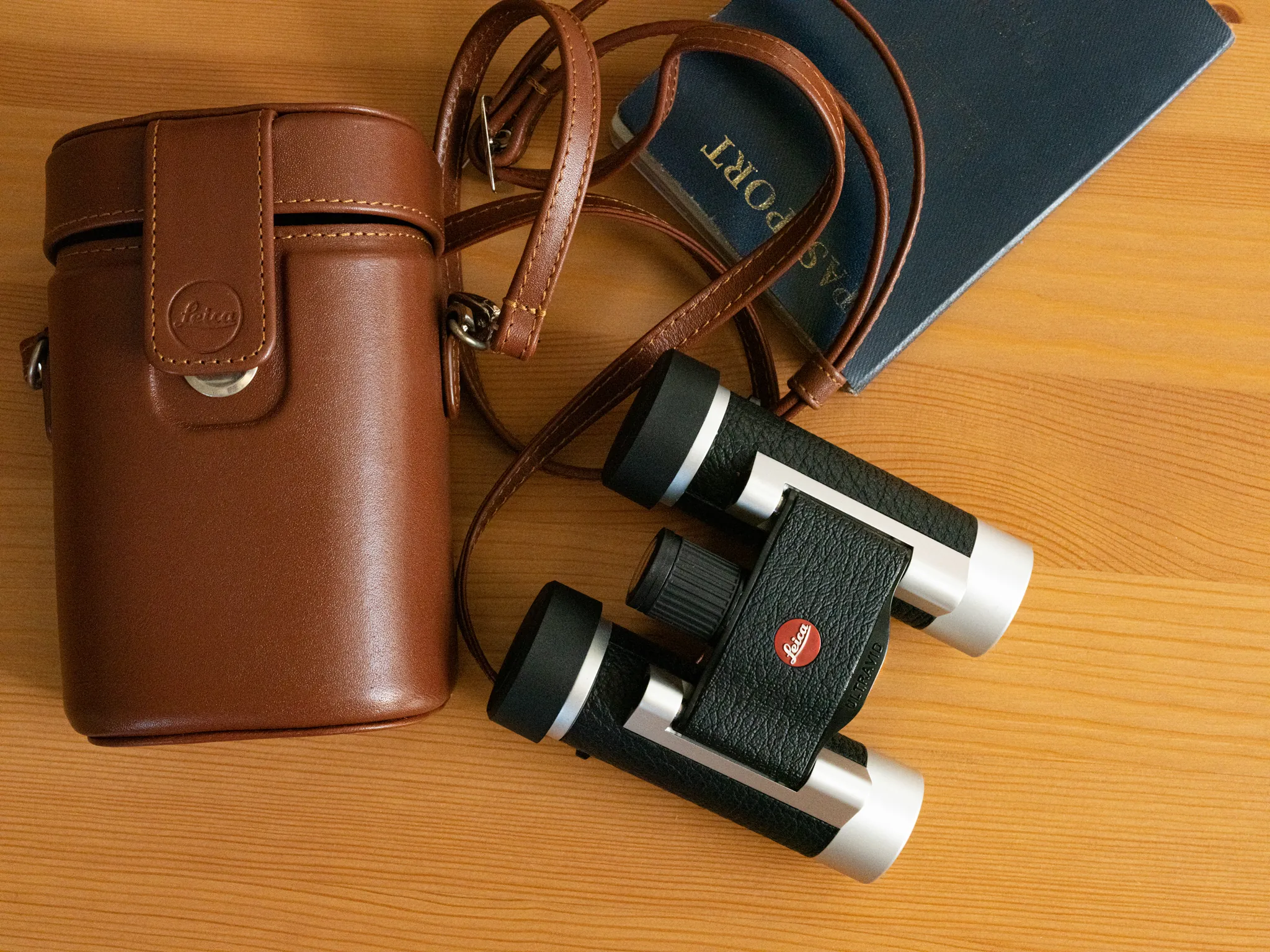
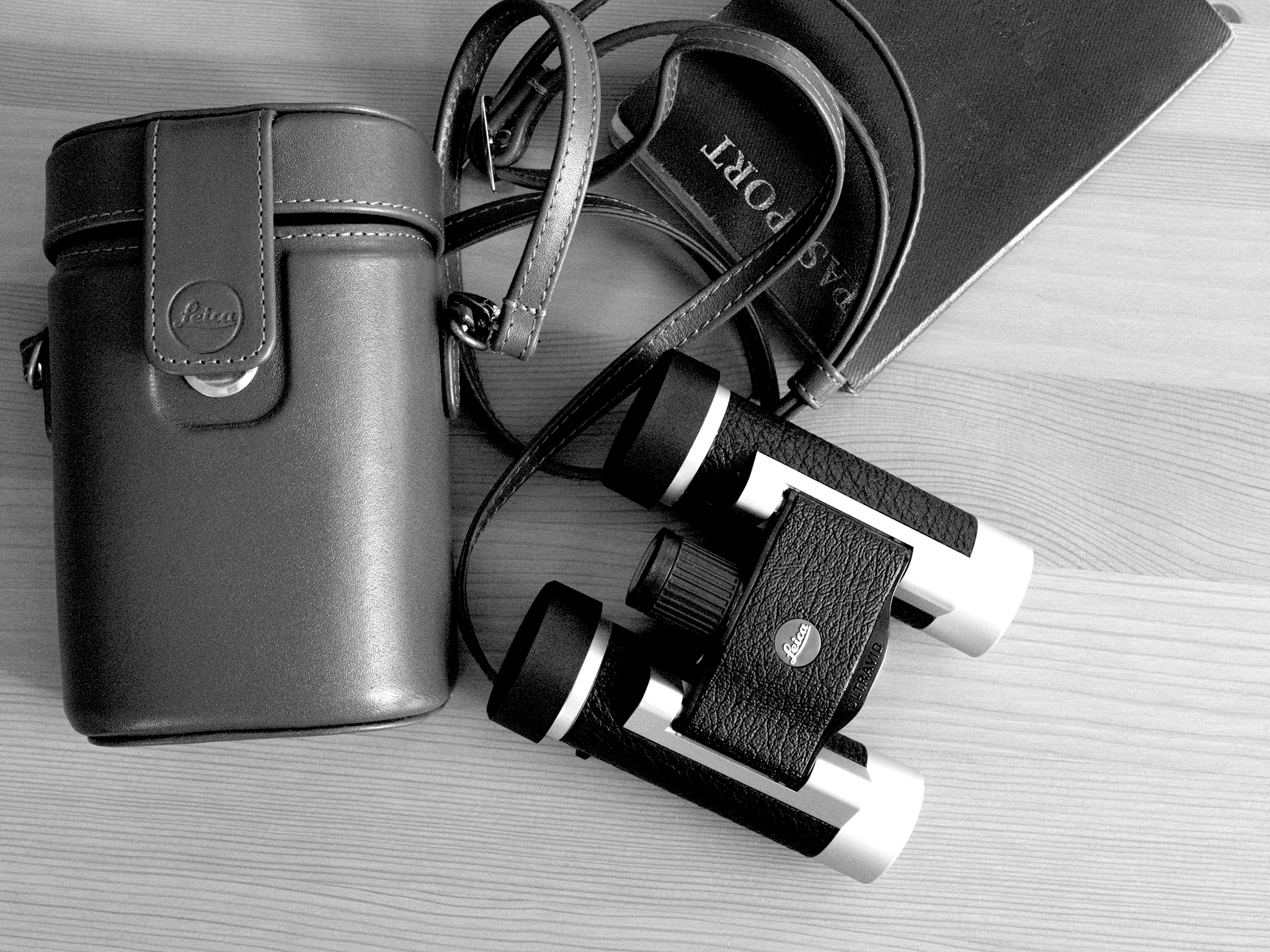
As a quick sample of this concept: the two images below. I shot these still lifes with color prints in mind, and I think they look great in color.
I’ve adjusted the images for B&W in Photoshop, and you can see they don't have the same impact, primarily because these shots were not planned for black-and-white.
In case you were wondering: The big pink thing is a closeup of a ballet pointe shoe. At the time, not knowing anything about ballet shoes other than how photogenic they are, I tied the elastic strings into a nice big bow. If a ballerina sees this, I hope she gets a good laugh.


Comments